 Northwest Private Nurse Partners
Family Caregivers
How Much Does a Home Nurse Visit Cost in Illinois?
Trying to price a home nurse visit and getting nowhere? Here's exactly what NW Private Nurse Partners charges...
Read article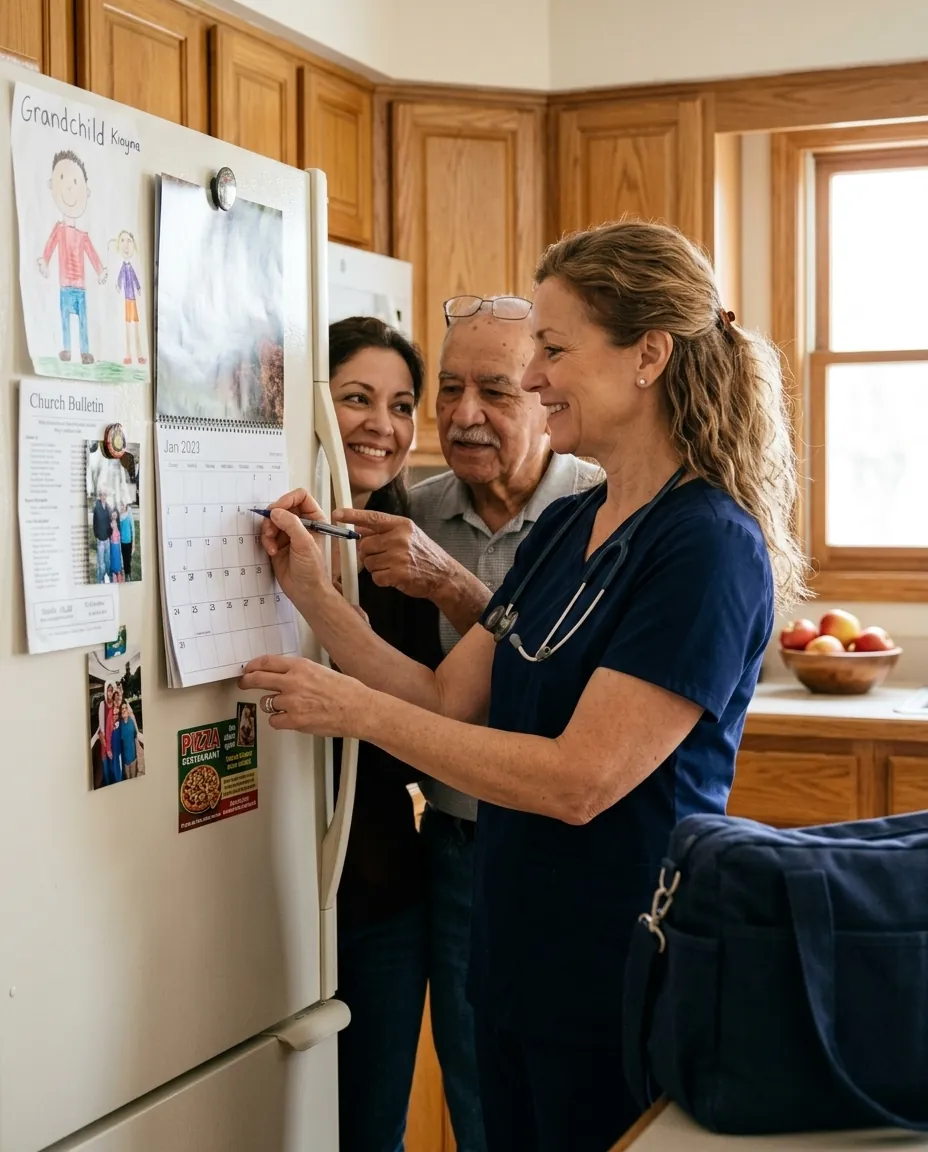
Scheduling your first home nursing visit is a meaningful step toward better health — and a little advance preparation helps ensure the visit is as useful as possible. Unlike a clinic appointment where the staff handles logistics, a home visit works best when you and your family have a few basics in order before your nurse arrives.
The good news: there's nothing complicated here. This isn't about cleaning the house to impress anyone — it's about having the right information and setup in place so your nurse can focus on your health from the moment she walks in. (Curious what the appointment itself covers? See what to expect from a wellness visit.)
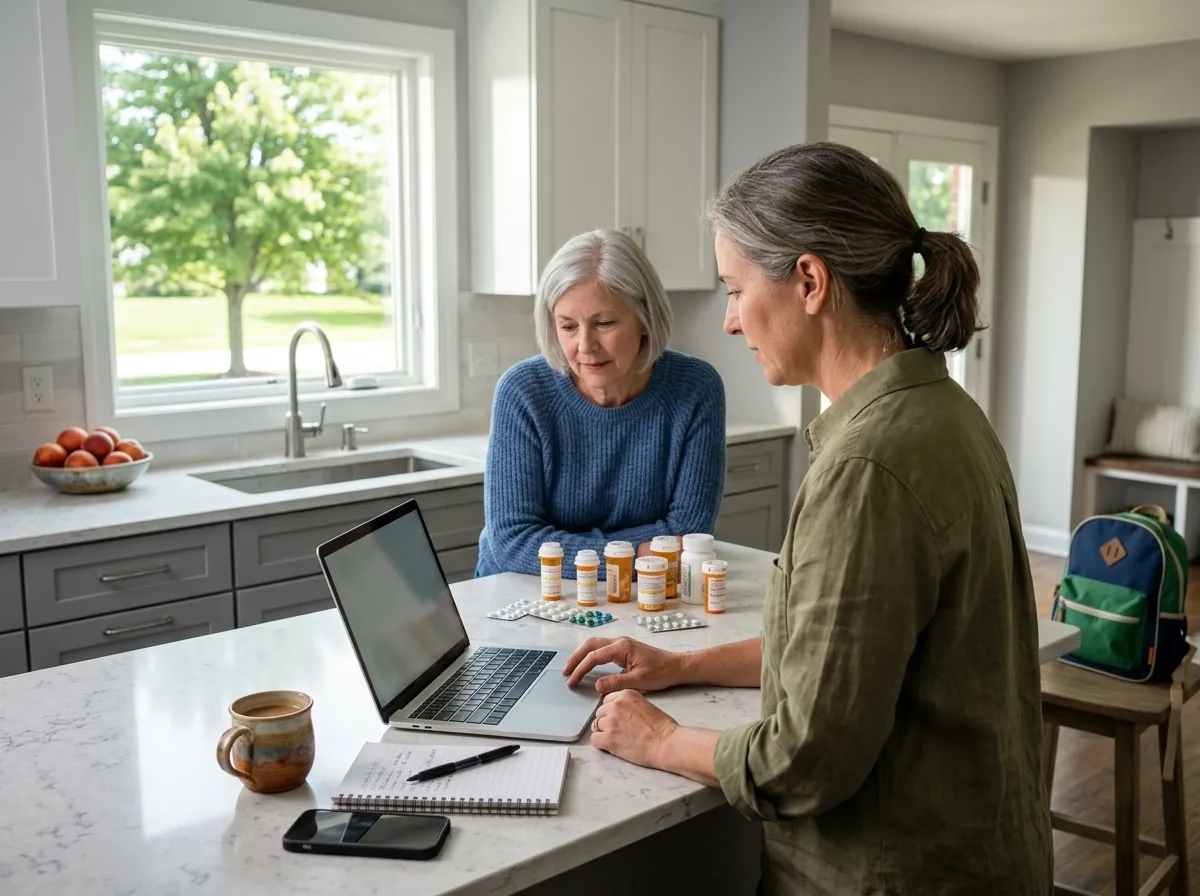
The single most valuable thing you can do before a visit is collect your health information in one place. This includes:
Your nurse will need a stable surface to set down her equipment — typically a dining table or kitchen counter works well — and a chair or bed where you can sit comfortably for the physical assessment. Good lighting is helpful, especially for wound assessment or skin checks.
If mobility is limited, let us know in advance so we can plan the visit layout accordingly. We've conducted assessments in every imaginable home setup and are accustomed to adapting.
Part of a skilled nursing visit often includes a brief home safety scan — identifying fall hazards, assessing bathroom safety, checking that walkways are clear, and evaluating lighting. You don't need to rearrange your home, but if you're aware of something that concerns you (a loose rug, a poorly lit stairway, difficulty getting in and out of the shower), make a mental note to mention it.
If a family member or primary caregiver is involved in your daily care, having them present during the visit is strongly encouraged. They often have observations and questions that are just as clinically important as yours, and the education your nurse provides — about warning signs, medication routines, or emergency protocols — is more effective when shared in real time.
This might sound obvious, but it bears saying: your nurse is not there to judge your habits, your home, or your choices. She's there to help. The more candidly you share what's actually happening — the symptoms you've been minimizing, the medications you've been skipping, the fall you didn't mention to your doctor — the better care you'll receive.
"The patients I help most are the ones who feel comfortable telling me what's really going on. There's no wrong answer in a home visit — only information I need to help you."
— Sue Volpe, RN
Have questions before your visit? Don't hesitate to call us at (224) 506-8600 — we're happy to walk you through exactly what to expect.
Trying to price a home nurse visit and getting nowhere? Here's exactly what NW Private Nurse Partners charges...
Read article
Discharge day moves fast, and the questions you don't ask at the hospital become tonight's problems at home. A...
Read article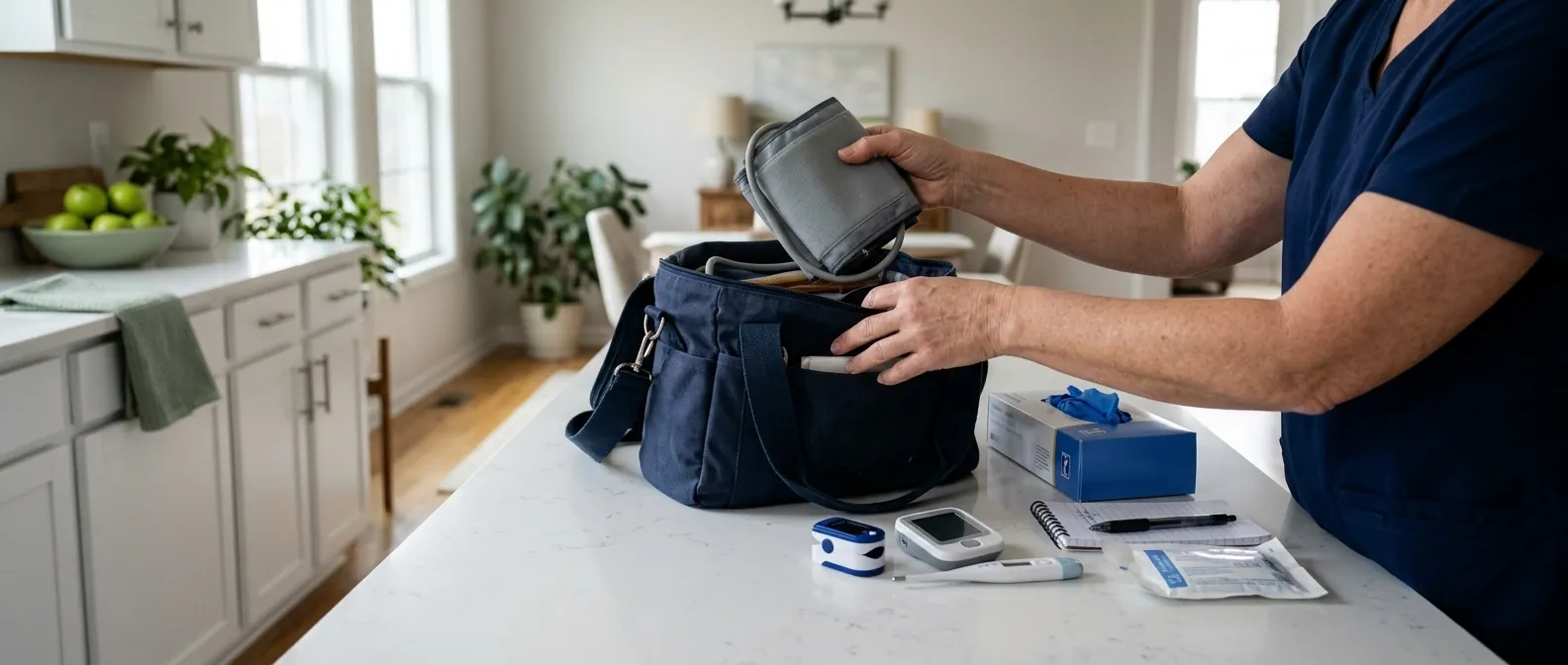
A home health aide, a Medicare home health agency, and a private duty nurse are three very different things. T...
Read articleBook a visit with Sue and experience the difference of concierge home nursing.