Coming home after surgery is a significant milestone — but it also marks the beginning of one of the most critical phases of your recovery. The days and weeks immediately following a procedure are when complications are most likely to arise, and having a registered nurse monitoring your progress can make all the difference between a smooth recovery and an avoidable return to the hospital.
Why Home Recovery Works
Research consistently shows that patients recover faster and with fewer complications when they heal in a comfortable, familiar environment. Your own home reduces exposure to hospital-acquired infections, minimizes stress, and allows you to follow a more personalized routine. For many patients, sleeping in their own bed and being surrounded by family is worth more than any clinical amenity.
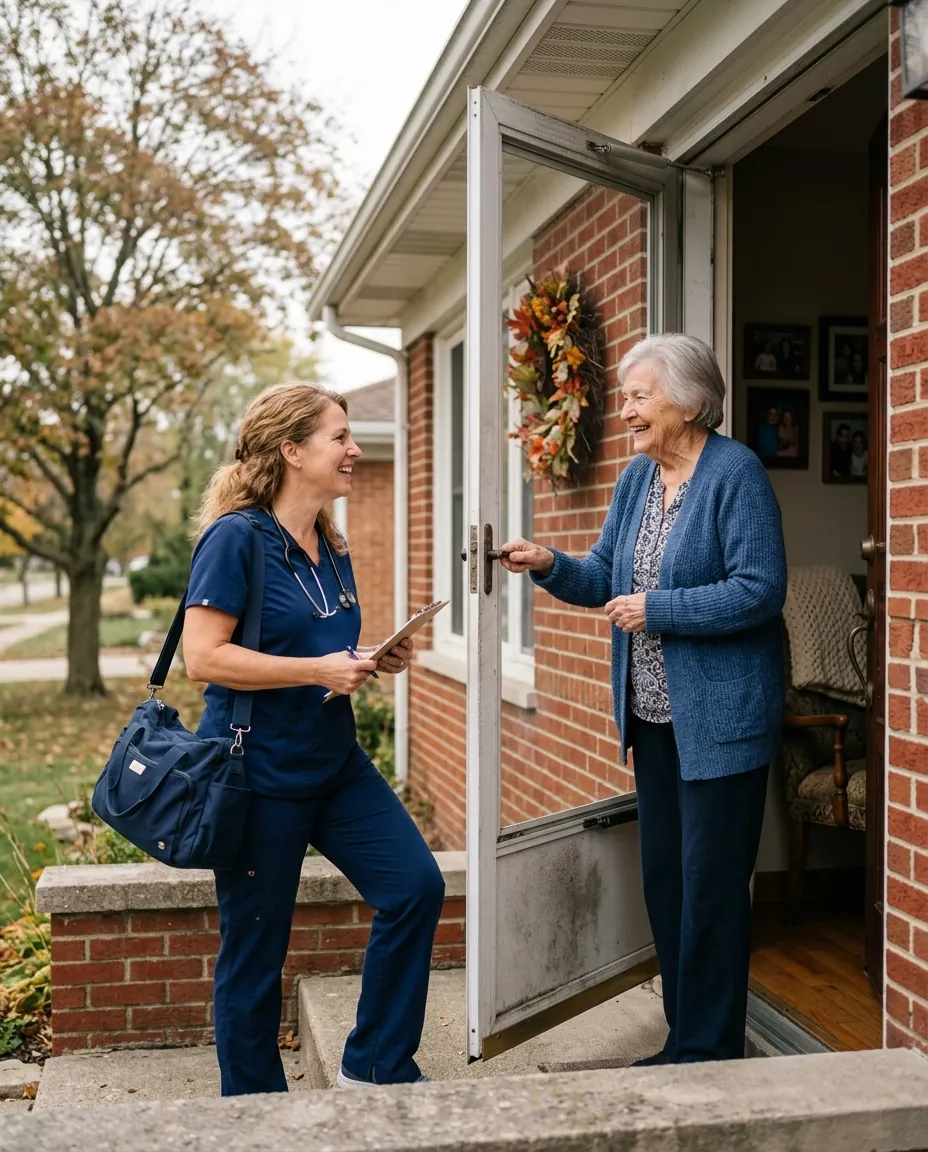
That said, home recovery only works well when proper clinical oversight is in place. A concierge home nursing visit bridges the gap between hospital discharge and full independence — providing the skilled assessment and hands-on care that your surgeon's office simply cannot deliver over the phone.
What a Post-Surgical Nursing Visit Covers
During a home visit after surgery, your registered nurse will typically:
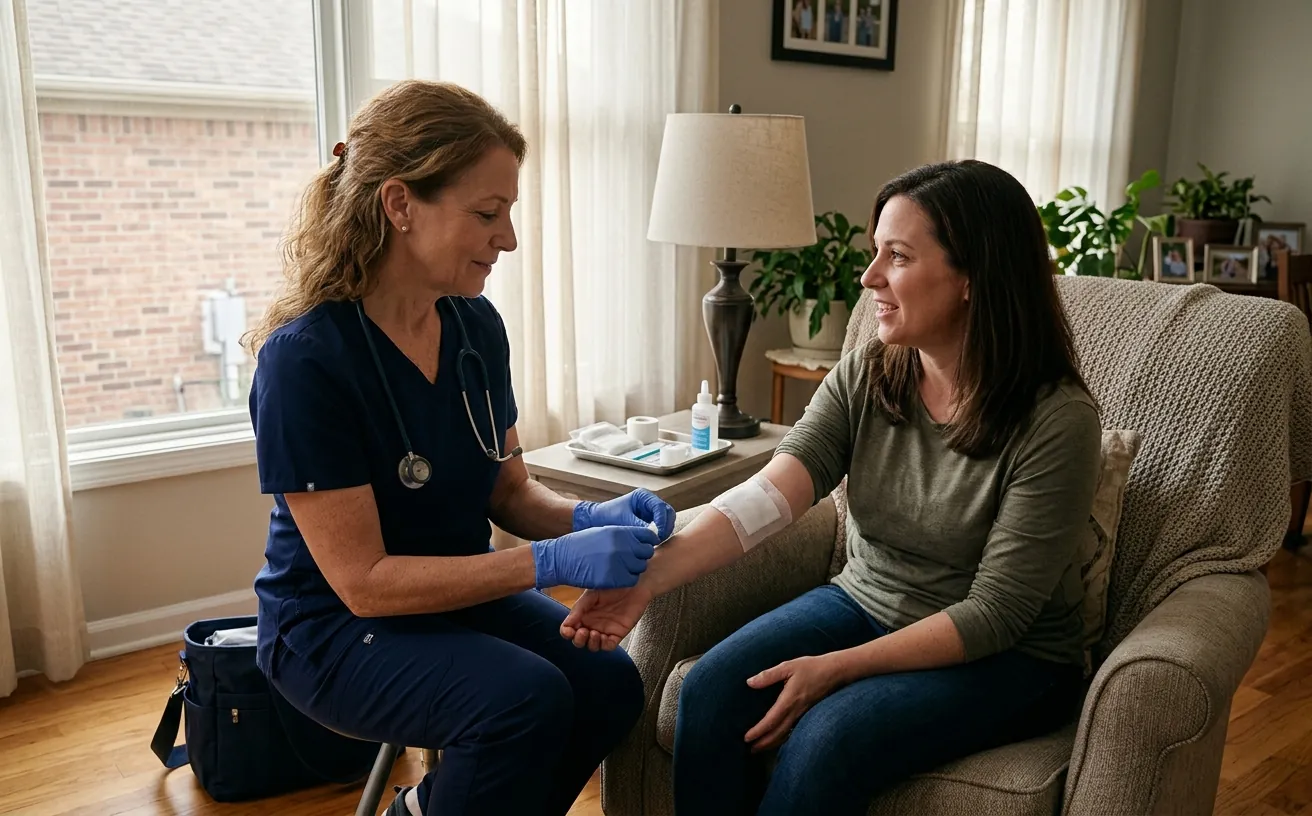
- Assess your surgical site — checking for signs of infection such as redness, warmth, swelling, drainage, or separation of the wound edges.
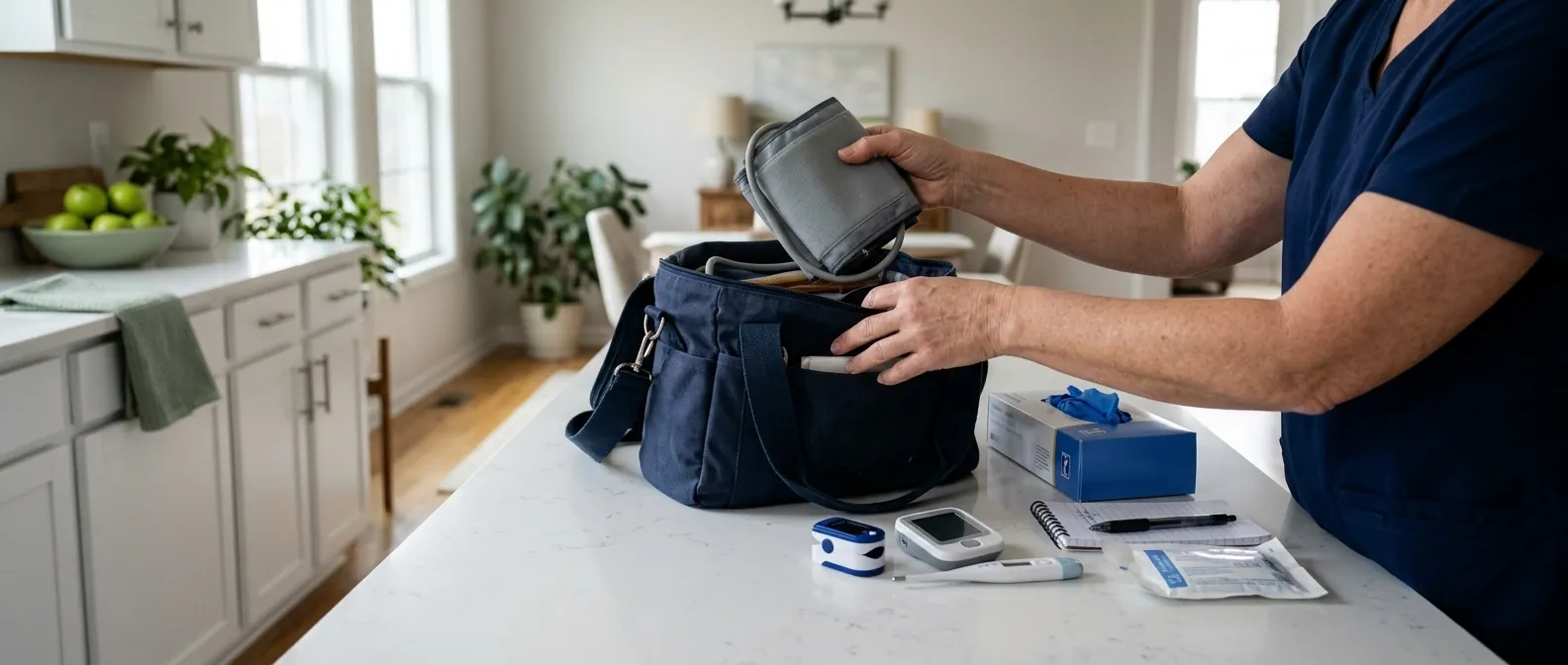
- Review your vital signs — blood pressure, heart rate, temperature, oxygen saturation, and respiratory rate, which together paint a clear picture of how your body is responding to healing.
- Evaluate your pain level — ensuring your prescribed medication regimen is working and identifying any red flags that suggest complications.
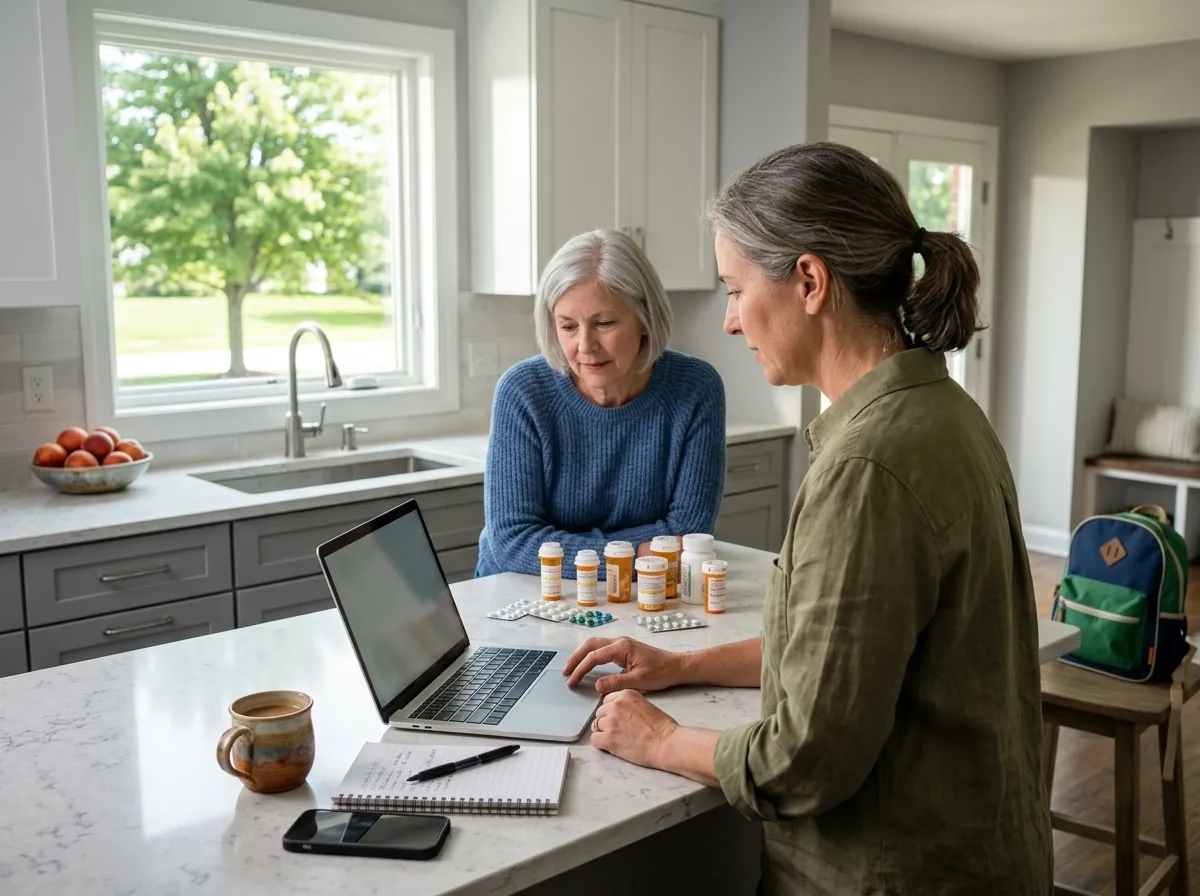
- Confirm medication compliance — reviewing what you're taking, when, and whether there are any interactions or side effects to watch for.
- Assess mobility and fall risk — post-surgical patients are at elevated risk for falls, particularly when taking opioids or sedating medications.
- Provide wound care if needed — changing dressings, irrigating wounds, and documenting healing progress.
- Educate you and your family — ensuring everyone in the household knows the warning signs that warrant an urgent call to the surgeon or a trip to the emergency room.
Common Post-Surgical Concerns We Monitor
No two surgeries are alike, but the concerns we watch for most closely across all types of procedures include deep vein thrombosis (DVT), pulmonary embolism, surgical site infection, urinary retention, ileus (bowel slowdown from anesthesia), and adverse medication reactions. Early detection of any of these issues dramatically improves outcomes and can prevent a serious escalation.
How to Prepare for Your Post-Surgical Visit
Before your nurse arrives, gather your discharge paperwork, a current list of all medications and dosages, and any equipment provided at the hospital such as wound care supplies or compression stockings. (If discharge is still ahead of you, our hospital discharge checklist walks through what to collect before you leave the hospital.) Make sure a comfortable, well-lit space is available for the assessment. If you have specific concerns or questions from your surgeon, write them down — your nurse can help clarify discharge instructions and communicate with your medical team as needed.
"The first 72 hours home from surgery are the most vulnerable. A trained set of eyes at the bedside during that window catches problems before they become emergencies."
— Sue Volpe, RN
When to Seek Immediate Care
Even with excellent home nursing support, some situations require emergency care without delay. Call 911 or go to the nearest emergency room if you experience chest pain, difficulty breathing, sudden confusion, a fever above 101.5°F, heavy bleeding from your surgical site, or a leg that becomes significantly swollen, red, and painful (a potential sign of DVT).
Post-surgical home nursing isn't about replacing your surgeon — it's about ensuring that the care and monitoring you need doesn't end when you leave the hospital. If you or a loved one has a procedure coming up and you'd like to discuss how a concierge nursing visit can support your recovery, reach out to us or call (224) 506-8600 anytime.
 Northwest Private Nurse Partners