 Northwest Private Nurse Partners
Wellness
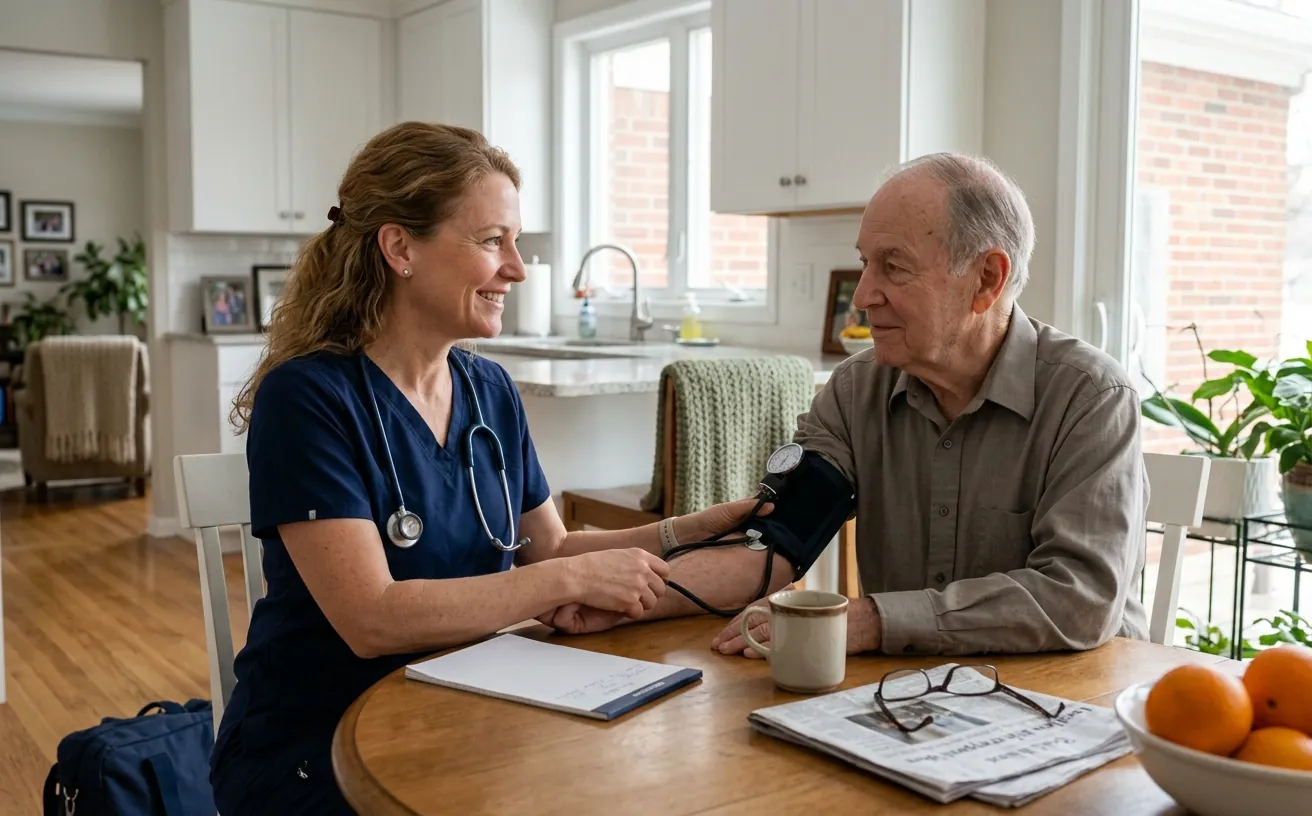
What to Expect from a Wellness Visit
A concierge wellness visit is a proactive step toward better health. We walk you through exactly what happens...
Read article
When most people think of home nursing, they picture recovery from a major surgery or end-of-life hospice care. While home nursing absolutely supports both of those situations, the reality is that a wide range of patients benefit from skilled nursing care in the comfort of their own home — and many of them would be surprised to learn they qualify.
You don't need to be acutely ill to benefit from a nursing visit. Here are some of the most common situations where patients and families reach out to us:
Polypharmacy — taking five or more medications — significantly increases the risk of dangerous drug interactions, missed doses, and medication errors. A registered nurse can conduct a full medication review, organize a pill system, educate you on what each medication does and why timing matters, and flag any potential interactions your prescribers may not have cross-checked.
Hospital stays are getting shorter. Patients are frequently sent home before they or their families feel fully ready, with complex discharge instructions and follow-up schedules that can be hard to navigate. A home nursing visit in the first 48–72 hours after discharge helps ensure the transition is safe and that early warning signs don't go unnoticed.
Wellness visits aren't just for when something is wrong. Many of our clients are active, generally healthy adults who simply want a thorough clinical assessment — blood pressure, glucose screening, heart and lung sounds, weight trends, and a conversation about what their numbers mean. It's the kind of personalized attention that's hard to get in a brief office visit.
This is one of the most common reasons families contact us. An aging parent who insists they're fine but seems off — more fatigued, less steady on their feet, not eating well — benefits enormously from a gentle, professional assessment in a non-clinical setting. Many patients are far more forthcoming with a nurse in their home than they are in a physician's office.
Diabetes, heart failure, COPD, hypertension, kidney disease — chronic conditions require ongoing monitoring, lifestyle education, and early intervention when numbers trend in the wrong direction. Regular nursing visits can help keep these conditions well-managed and reduce the likelihood of a preventable hospitalization.
Falls are the leading cause of injury-related death in adults over 65. After a fall — even one that doesn't result in a fracture — a nursing assessment can identify contributing factors like medication side effects, home hazards, orthostatic hypotension, or balance deficits that increase the risk of falling again.
Traditional home health agencies typically require a physician's order, operate under strict Medicare or insurance guidelines, and send a rotating roster of aides and nurses. Concierge home nursing is different: you schedule directly, you see the same nurse every visit, and visits focus on what you need — not on what a reimbursement code allows. For a fuller breakdown of the three options families weigh most often, see private duty nurse vs. home health aide vs. home health agency, and for exact pricing see what a home nurse visit costs in Illinois.
If you're wondering whether a home nursing visit makes sense for your situation, the best step is a brief conversation. Call us at (224) 506-8600 and we'll talk through your specific circumstances at no charge.
A concierge wellness visit is a proactive step toward better health. We walk you through exactly what happens...
Read article
Discharge day moves fast, and the questions you don't ask at the hospital become tonight's problems at home. A...
Read article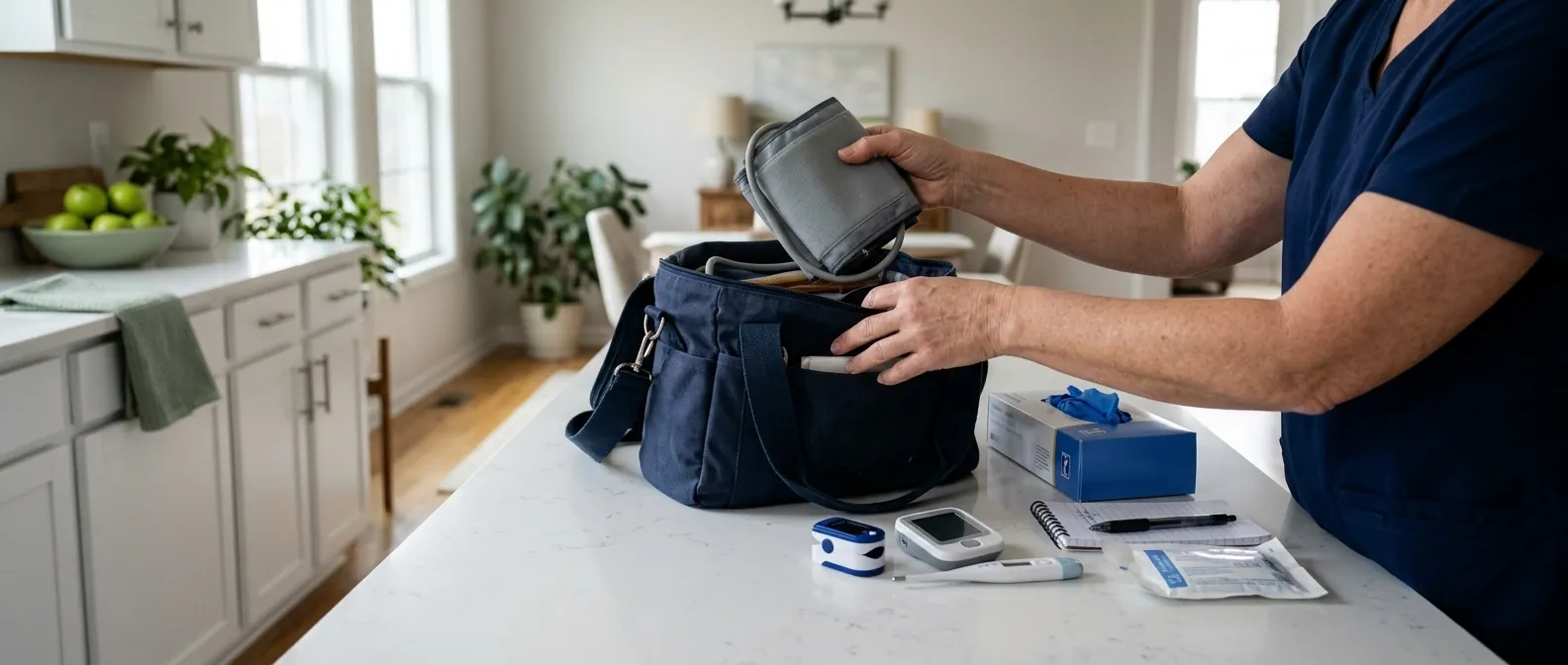
A home health aide, a Medicare home health agency, and a private duty nurse are three very different things. T...
Read articleBook a visit with Sue and experience the difference of concierge home nursing.